
Mollymook Bogey Hole
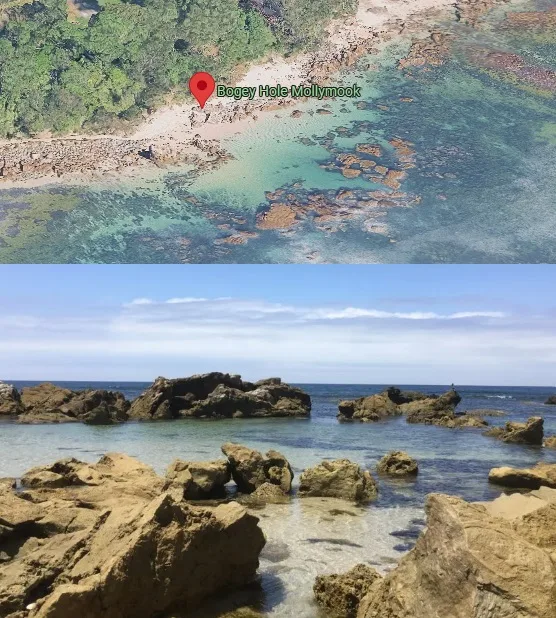
This Bogey Hole is a large circular tidal ring-of-rocks pool located at Collers Beach and accessed via Golf and Riversdale Avenue at Mollymook. Inadvertently enlarged and improved by silica-mining activities.
Click to find location on AllSwims.au
Do you have a good photo we can use here? Please email us: allswims.au@yahoo.com
Historical notes Before 1900 The Mollymook Bogey Hole may long have been used by Aboriginal people for hundreds or thousands of years as a swimming place, as a fish trap and as a place to dive for lobsters and shellfish. Strategic placement of rocks could supplement a natural enclosure and form channels to direct fish into waiting nets or spears.
Around 1900 Collers Beach, generously made accessible to the public by the Coller family, was a very popular retreat and picnic area for local people, partly because of the safe swimming at the Bogey Hole.
1905 John Coller stopped all public access to Collers Beach.
1914 Collers Beach remained the favourite picnic place and many locals learned to swim at the Bogey Hole. even after the Collers Beach property was closed to horses and vehicles, due to visitors’ failures to close gates.
1917 Investigations by the Illawarra brick company revealed that silica from the headland at Mollymook known as Flint Point ‘gave promise of yielding a refractory brick equal in quality to the world’s best silica brick’.
Around 1918 Flint Point was mined for silica. Rocks that were almost pure silica were transported to Ulladulla, then shipped to Port Kembla and Newcastle to be crushed and made into refractory bricks to line the furnaces of the steelworks. The mining of silica meant Flint Point itself virtually disappeared. There was subsidence in the cliff faces along the northern side of the headland and big rocks were removed from the Bogey Hole. When the silica quarrying increased the size of the Bogey Hole, people were quick to take advantage of it as a good place to swim, even though pieces of broken quartzite on the pool’s sandy bottom were often razor-sharp and very dangerous.
After the 1920s Silica mining became uneconomical. When the quarry men and their shacks disappeared, fishermen, swimmers and picnickers came back in increasing numbers. Communal Boxing Day and New Year’s Day picnics at the Bogey Hole continued. After a young local man drowned, possibly taken by a shark, local people acquired a real fear of entering the surf and swimming in the open sea.
1933 Children were still learning to swim in the Bogey Hole.
Late 1940s and early 1950s Lots of Aboriginal middens still existed along Mollymook Beach. Modern Mollymook began in the late 1940s and early 1950s with the subdivision of land by real estate developers and development of the Mollymook Golf course, The Mollymook Country Club attracted families because of its golf links and the nearby Bogey Hole.
1960s The Bogey Hole and Collers Beach became better known to surfers. As Canberra’s population grew, increasing numbers of Canberra residents holidayed around Mollymook.
2006 Mollymook’s Bogey Hole was considered a visitor attraction and an enhancement to the value to nearby properties.
———
Historical data and text adapted from All into Ocean Pools Inc (originally published at allintooceanpoolsinc.org, including research contributed by Marie-Louise McDermott), retrieved via the Internet Archive’s Wayback Machine. Used under Creative Commons Attribution guidelines.
Allintooceanpoolsinc.org was a great resource which has been lost to the internet and we have restored the page content to keep it live and available. If you have updates or images related to this please contact us to add them. We also want the original authors to contact us. Thank you
Related articles
More in Rock Pools →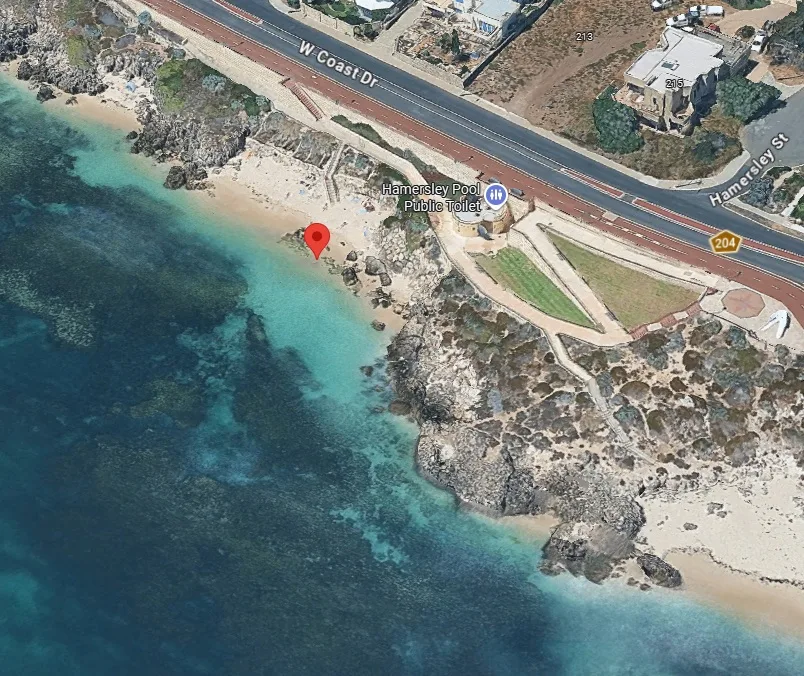
Hamersley Pool
Hamersley Pool is an informal. reef-enclosed, tidal pool recorded as attracting swimmers and bathers since the early 20th century. (Hammersley Pool, Hamersley’s Pool)
Mettams Pool
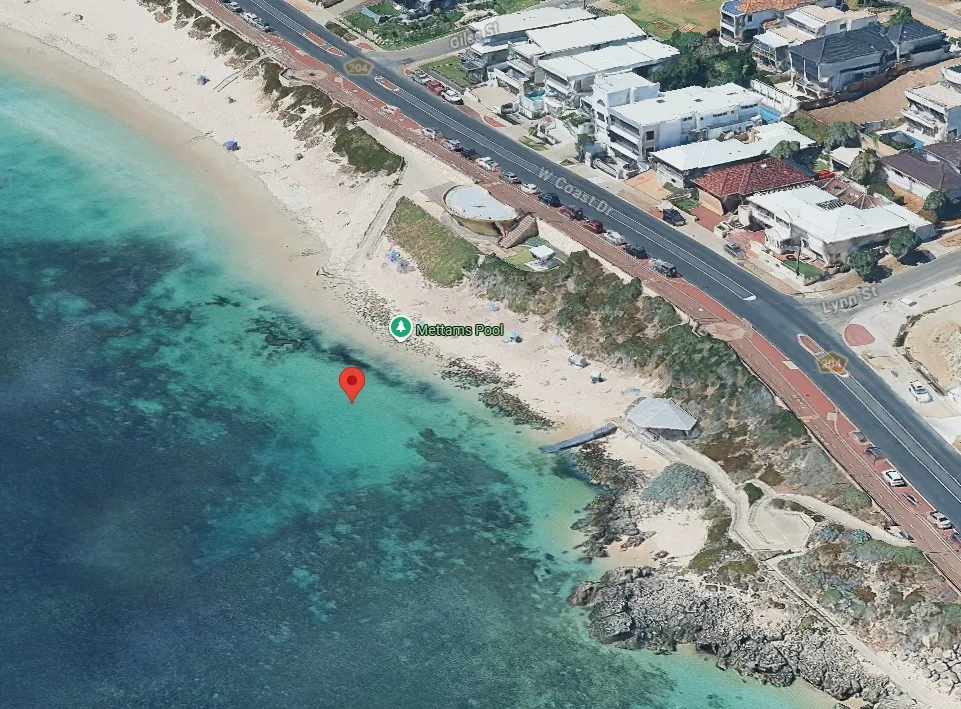
A reef shelters this large, informal, ‘improved’, ‘natural’ rock pool developed through the efforts of one man, his children and grandchildren. It has long…
Umina Beach (ghost pool)
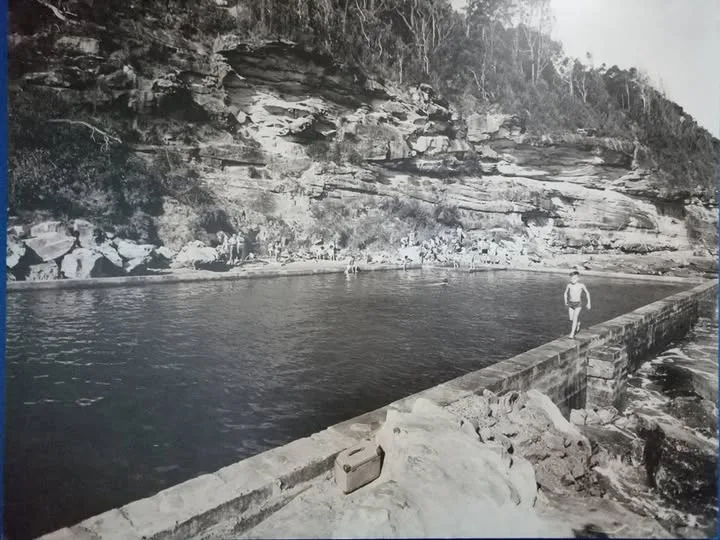
South Umina Tidal swimming pool was beautiful with the rock face above it but mostly destroyed in storms 1974.