Between the Flags Beach Safety
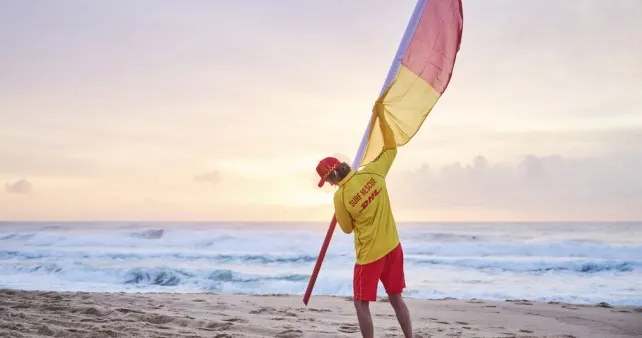
Australia's beaches are unpredictable.
Beach safety messaging is developed and tested by the people who do the rescues, Surf Life Saving Australia. So what follows is Surf Life Saving Australia's own guidance, quoted directly, with links back to the source for each section. They are the leading authority on coastal water safety, drowning prevention and rescue operations in this country.
If you read nothing else, read the seven tips.
The seven top tips
Surf Life Saving Australia's top tips for beach safety, in full:
Swim at a patrolled beach between the red and yellow flags.
Learn swimming, water safety and lifesaving skills.
Know your limits and look out for others.
Check conditions, including the weather forecast.
Wear a lifejacket when boating, rock fishing or paddling.
Always supervise children in, on and around water.
Avoid alcohol and drugs around water.
— Surf Life Saving Australia
The Flags
From Flags & Signs guide.
The most important flags on the beach are the RED and YELLOW flags. These show the supervised area of the beach and that a lifesaving service is operating. If there are no red and yellow flags, check with the lifeguards and if unsure don't go in the water.
Red & yellow -> Swim between the flags
Red -> No swimming
Yellow -> Caution required. Potential hazards.
Red & white -> Evacuate the water
Black & white -> Surfcraft riding area boundary
Lifeguard top tips
SLSA's Lifeguard Top Tips page collects advice straight from the people on patrol. Their five headings, verbatim, with the essentials of each:
Swim Between the Red and Yellow Flags — red and yellow flags mean a lifesaving service is operating, and the lifeguards have chosen the section of beach that is best for swimming and are closely supervising it.
Read the Safety Signs — read the signs before you go onto the beach, so you know about any warnings or dangers. Single signs may be placed on the beach to highlight specific warnings.
Ask a Lifeguard for Safety Advice — lifeguards are highly trained and know their beach. Ask them about the day's conditions. As SLSA puts it, "every beach is different."
Swim with a Friend — you can keep an eye out for each other, and if more help is needed one of you can call or go for it. Share your limits with the people you are swimming with.
If You Need Help, Stay Calm and Attract Attention — SLSA's instruction here is worth learning by heart:
stay calm, raise your arm in the air and wave it from side to side. This will attract the attention of a lifeguard who will be able to come to your assistance. You should conserve your energy by floating on your back and staying calm.
Rip currents: the number one hazard
From SLSA's Rip Currents guide:
Rip currents are one of the greatest, and most common, hazards on Australian beaches. On average, rip currents are responsible for at least 21 drowning deaths in Australia each year.
And their framing of the fix:
There are many myths about the ocean, but rips are the number one hazard on Australian beaches. Avoid rips by swimming at a patrolled beach between the red and yellow flags.
How to spot a rip current
SLSA's key signs to look for:
Deeper and/or darker water
Fewer breaking waves
Sandy coloured water extending beyond the surf zone
Debris or seaweed
Significant water movement
Their practical shortcut: look for where the waves are breaking consistently, then look either side where they don't break consistently. Those areas are rip currents.
The think line
STOP to check for rips. LOOK for other dangers. PLAN how to stay safe.
How to survive a rip current
This is the section to know before you need it. SLSA: "If you're caught in a rip current, stay calm, conserve your energy and consider these options:"
Stay calm
Seek help. Raise your arm and call out. You may be rescued
Float with the current. It may return you to a shallow sandbank
Swim parallel to the beach or towards the breaking waves. You may escape the rip current
Note the order, and note that floating is on the list. The old advice to immediately swim parallel is not wrong, but SLSA now leads with staying calm and conserving energy — exhaustion is what turns a rip into a drowning.
Before you go
Check the beach before you leave home -> SLSA's free BeachSafe app carries beach details, patrol times, weather conditions and hazards for beaches around the country.
Check the patrol times, not just the flags -> A beach that is patrolled is not patrolled at every hour of every day.
Tell someone where you are going -> especially if you swim outside patrolled hours.
In a life-threatening emergency in Australia, call Triple Zero (000).
Where to find SLSA's full guides
Everything above is condensed. The full versions, all free:
Surf Life Saving Australia - the national organisation.
SLSA Beachsafe — Surf Safety guides - the full library: flags and signs, rip currents, waves, sun safety, alcohol and drugs, bystander rescue, rock fishing, boating, watercraft, diving and snorkelling, plus guides to marine creatures and stingers.
Lifeguard Top Tips - including a downloadable factsheet and a "Beach Safety for Visitors" guide.
Rip Currents - factsheets, video, and the STOP. LOOK. PLAN material.
Flags & Signs - the full signage guide and factsheet.
Beachsafe app - iOS and Android, with offline access.
Multilingual guides - SLSA's beach safety tips and videos in eight languages, including Arabic, Simplified and Traditional Chinese, Hindi, Japanese, Korean and Malay. Worth passing on to visiting family and to anyone hosting guests.
All Resources - every factsheet in one place.
Airbnb has partnered with SLSA on a Stay safe at the beach campaign, which includes a printable A4 beach safety poster carrying the top tips. If you host, or you have a beach house that gets lent to friends, it belongs on the back of the door.
Related articles
More in Learning & Resources →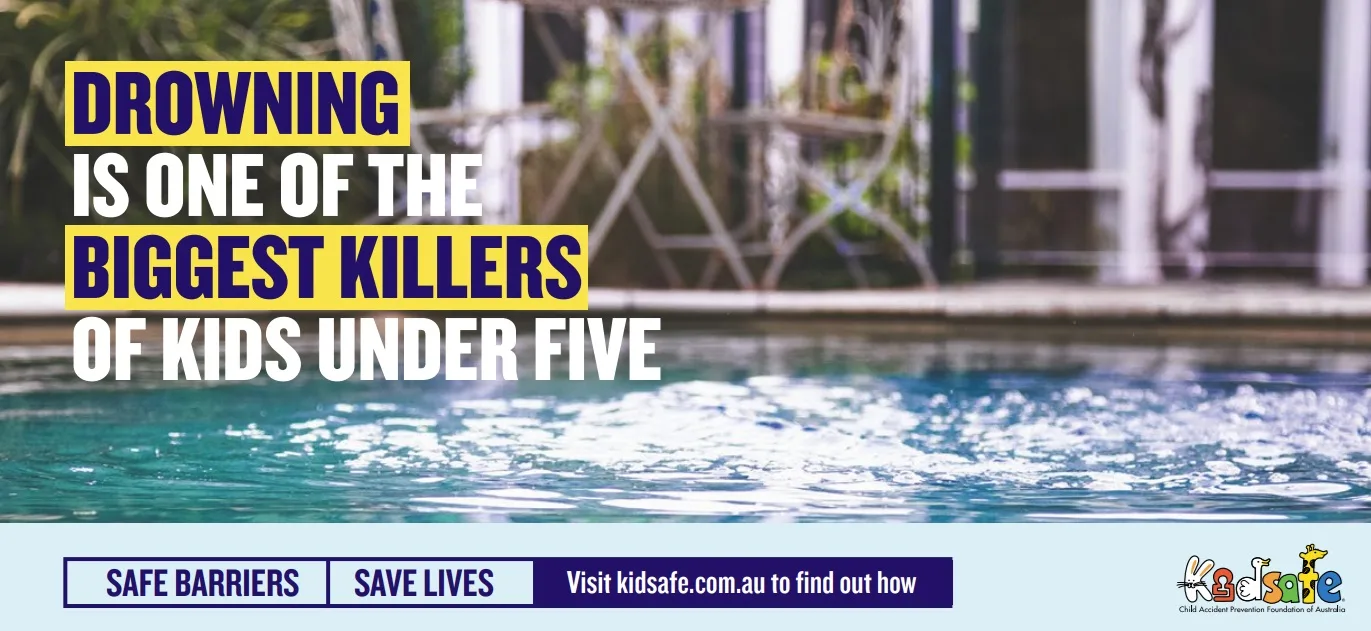
20 Seconds: What you should know about kids & water
Drowning is one of the leading causes of unintentional death for Australian children, and it happens in seconds, in silence, and in water shallower than most people imagine. Here is what the evidence says about why kids are at risk — and the four things that actually prevent it.
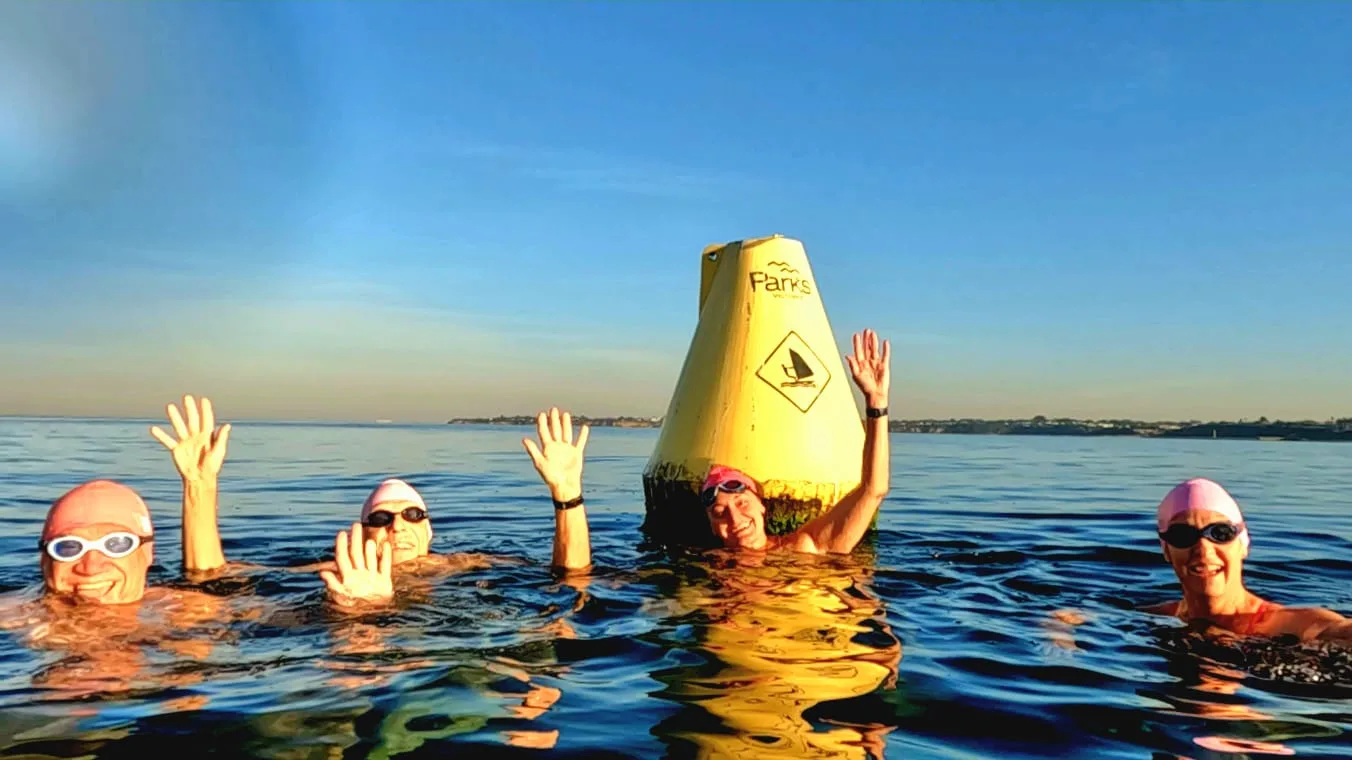
Social Open Water Swim Group Liability
Local open-water swimming groups are dynamic entities. They often begin with just a handful of regulars, gradually expanding. As these swimmers become fitt…

Immerse
This article is a book review of, "Immerse". Author; Fiona Basile. Published 2023; 144 pages, AU$89.99.