20 Seconds: What you should know about kids & water
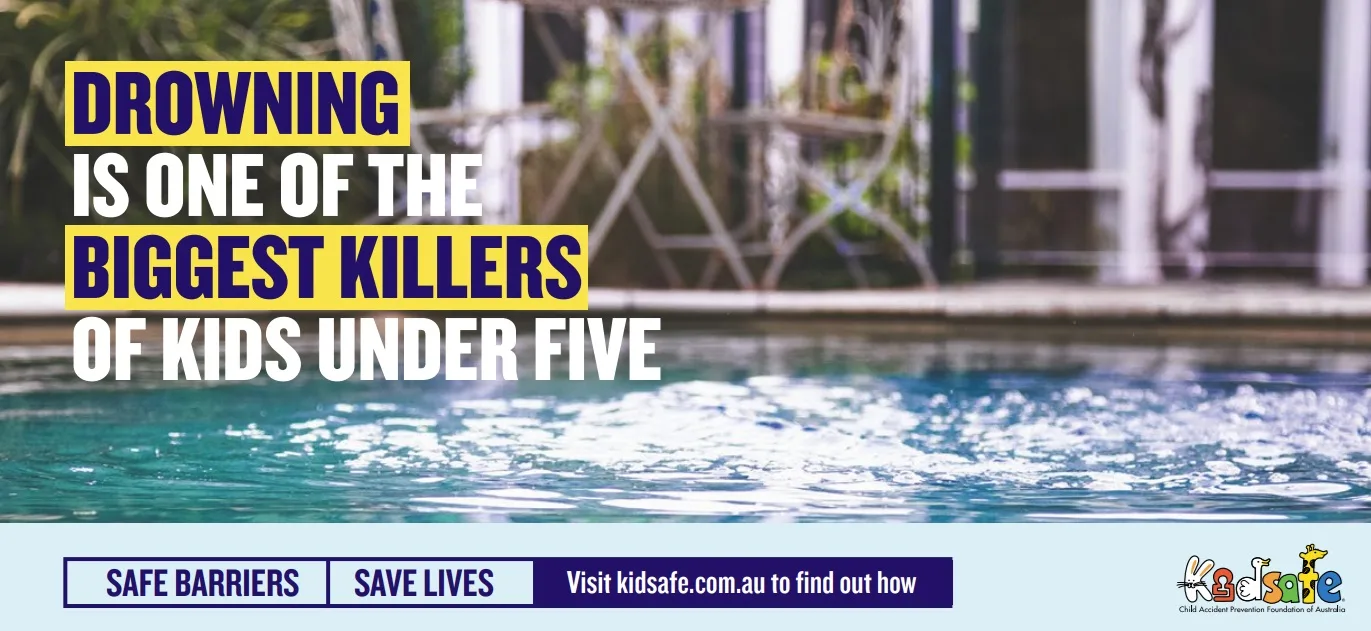
For a toddler, water is the unsafest place we know. Twenty seconds and a few centimetres of water is all it takes for a young child to drown.
Drowning is one of the leading causes of unintentional death for Australian children. Among children under five, swimming pools accounted for 40% of drowning deaths; from age 5–14 it is rivers and creeks (43%), swimming pools (14%) and the beach (14%).
The location shifts with age. For under-fives, the danger is close to home: swimming pools and bathtubs. Sixty per cent of these deaths begin with a child simply falling into water. For 5–14 year olds the risk moves outdoors and inland, with nearly two thirds (64%) of drownings in this age group happening over summer, including the school holidays, and half of them on a weekend.
Children are more at risk because;
They are drawn to water and cannot read it
They are top-heavy. A toddler's head is large, their balance is still developing, and they tip forward into water easily.
It is fast and it is silent. There is no reliable audible warning. A drowning child cannot call out.
The hazard is not only the obvious one. Small volumes of water are also drowning hazards.
The barrier is often the failure point. A large number of backyard pool drownings involve barriers that are faulty or non-compliant with Australian standards, combined with the absence of active adult supervision.
The four things that prevent it
Kidsafe groups prevention under four headings. None of them is complicated.
1. Supervision
Active adult supervision means all of your attention, all of the time, when children are in, on or around water — not glancing up from a phone. Stay within arm's reach of toddlers so you can reach them before anything goes wrong. Do not hand the job to an older sibling; children have short attention spans and are easily distracted. Older children still need an adult watching who is ready to enter the water. And if you leave the water area, take the children with you.
2. Reduce the hazard
Use barriers to restrict access to water, and treat the barrier as something that needs maintenance rather than something you installed once. Inspect and maintain the pool fence and gate regularly — weather and ordinary wear affect how a gate closes and latches. Never prop the gate open for convenience. Clear pot plants, chairs, barbecues, tree stumps and anything else climbable away from the fence line. On farms and larger properties, create a safe play area that separates children from dams and pools; young children have been known to follow a family pet to water over long distances.
3. Knowledge and water awareness
Water familiarisation and swimming lessons teach children to swim and, just as importantly, help them understand water safety. Swimming ability is a supplement to supervision and barriers, never a substitute for them.
4. Resuscitation
Learn CPR and refresh it regularly. Keep a resuscitation chart near the pool or spa as a prompt. In a life-threatening emergency in Australia, call 000 for ambulance, police or fire.
Staying somewhere with a pool?
Airbnb and Kidsafe Australia have collaborated on Stay safe by the pool which includes a printable A4 water safety poster worth putting on the wall by the pool door, since it carries the tips, CPR resources and the reminder to call 000.
If you are a guest, do the barrier check on arrival rather than assuming it has been done. If you are a host, do it between every stay.
Where to get the full resources
Kidsafe Australia's water safety hub is the place to start:
Beyond Kidsafe:
We spend a lot of time on this site celebrating what water gives people. This is the flip side of the same subject. Check the gate, put down the phone, book the CPR refresher. Twenty seconds is not very long.
Note: Figures from Kidsafe Australia's Drowning Information Sheet, drawing on Royal Life Saving's National Drowning Report 2024.
Related articles
More in Learning & Resources →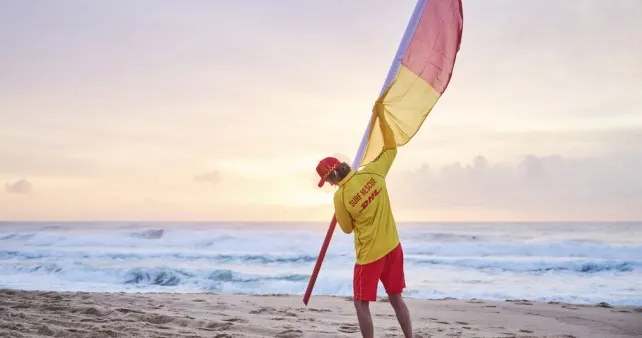
Between the Flags Beach Safety
Australian beaches are beautiful and unpredictable in equal measure. Here we re-state Surf Life Saving Australia's beach safety messages in their own words — the seven top tips, the flags, the lifeguards' advice, and what to do if a rip has you.
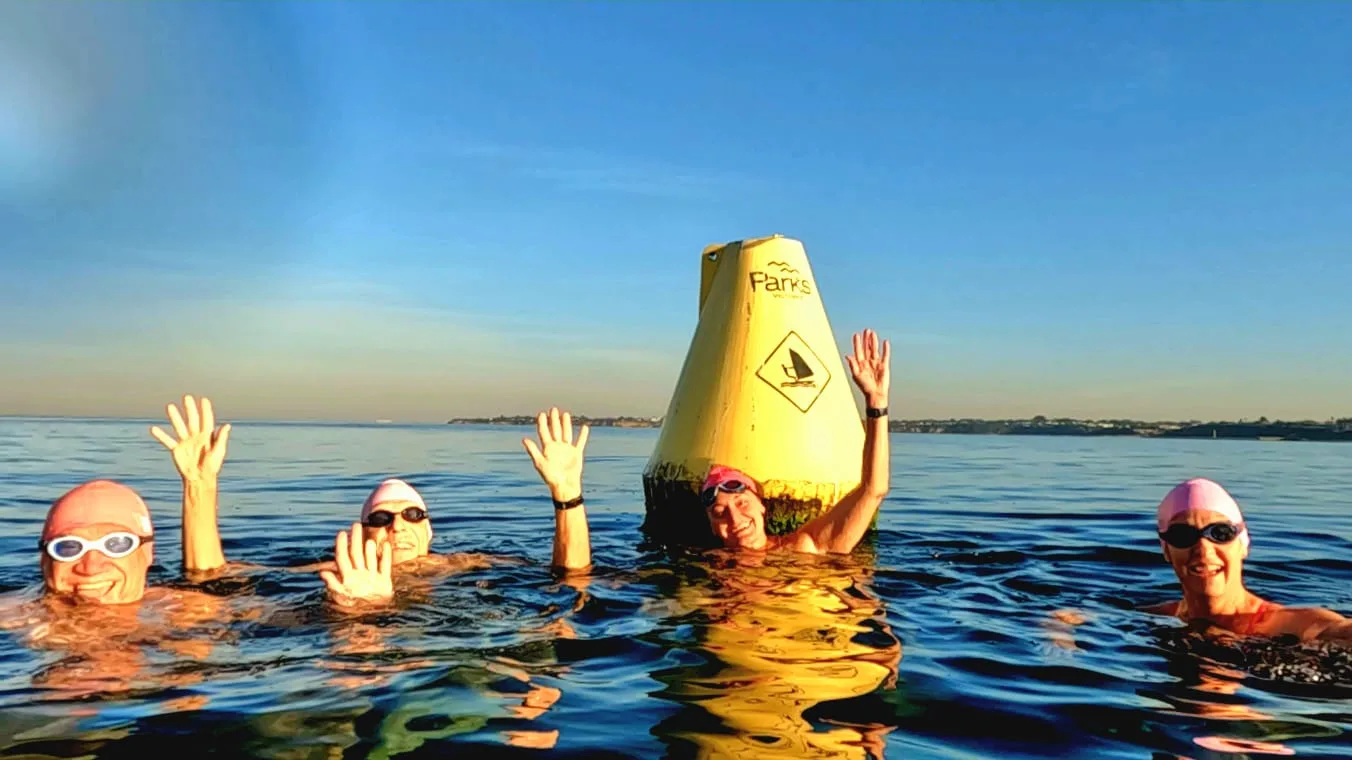
Social Open Water Swim Group Liability
Local open-water swimming groups are dynamic entities. They often begin with just a handful of regulars, gradually expanding. As these swimmers become fitt…

Immerse
This article is a book review of, "Immerse". Author; Fiona Basile. Published 2023; 144 pages, AU$89.99.